Rich, dark, and grown in the heartland of America — walnut is one of the most striking timbers in the world, and one of the finest to work with.
Few timbers stop people in their tracks the way American walnut does. That deep chocolate-brown heartwood — sometimes shot through with purple, grey, or olive — is unmistakable at first glance, and unlike many darker woods, walnut achieves that colour naturally, without staining or treatment. At Soll Woodworks, we use prime kiln-dried American walnut selected for depth of figure, grain character, and the kind of rich, complex colouring that no two boards replicate exactly.
Origin & Characteristics
American walnut — Juglans nigra, commonly called black walnut — is native to the eastern half of North America, growing in greatest abundance through the Appalachian foothills and the Midwest states of Ohio, Indiana, Missouri, and Kansas. It grows as a large, open-crowned tree in mixed hardwood forests, typically reaching maturity at around 150 years, and it is this long, relatively unhurried growth that produces timber of real density and character.
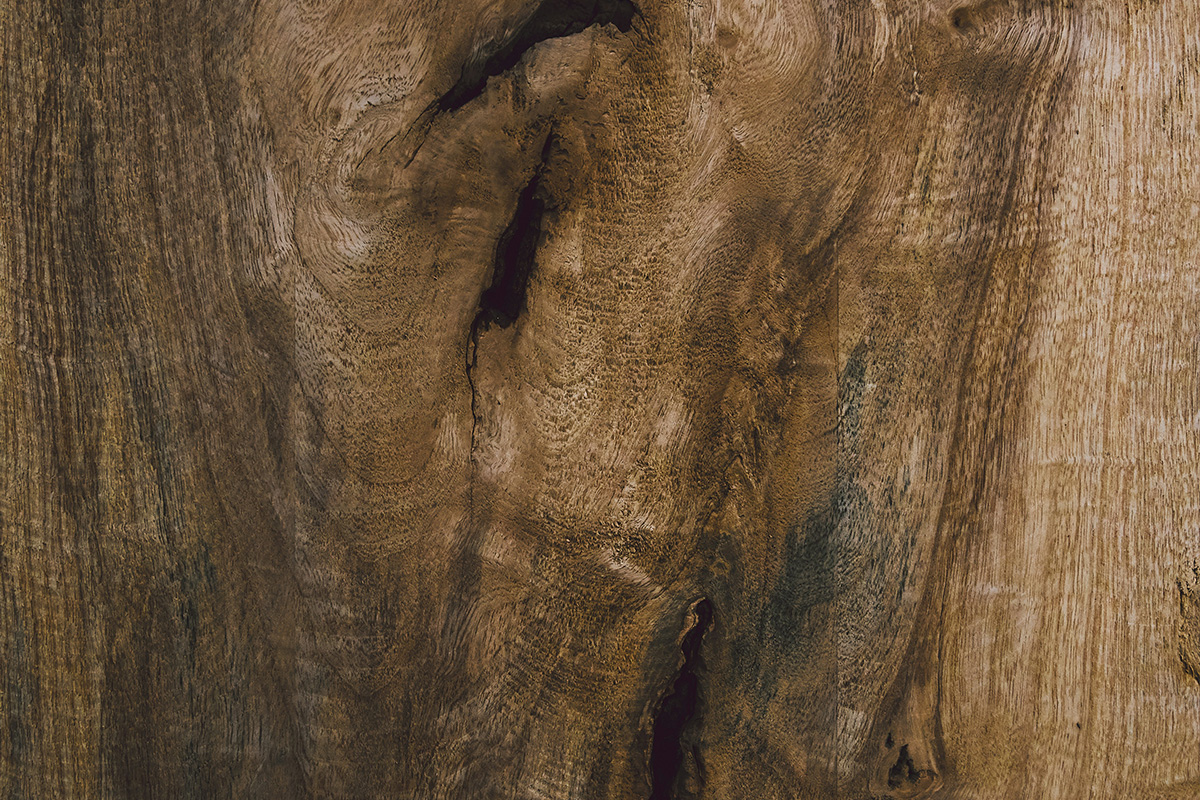
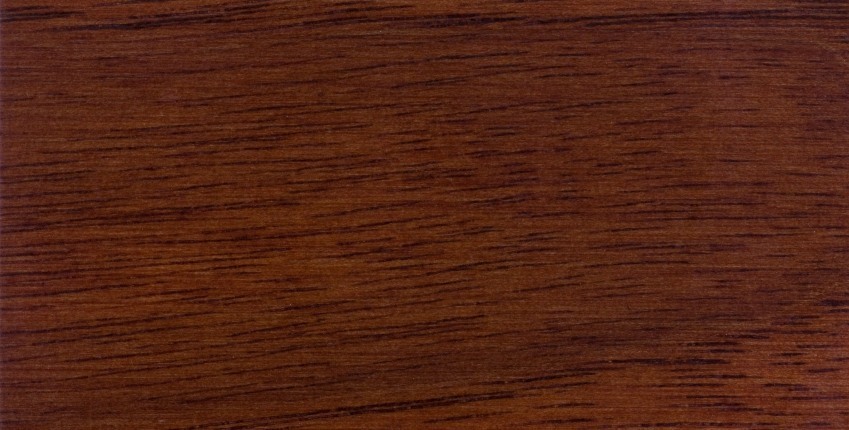
The heartwood is the defining feature: a rich, warm brown ranging from pale milk chocolate through to deep espresso, frequently with streaks of purple, grey, and olive that shift under changing light. The sapwood — the pale outer ring of the tree — is a creamy white, and the contrast between heartwood and sapwood can be used to striking effect by those confident enough to include it. The grain is typically straight but frequently breaks into attractive wavy or curly figure, and the open, coarse texture catches an oil finish in a way that emphasises every nuance of the wood’s natural character.
American walnut sits in the medium-hard range for a hardwood — slightly softer than European oak, harder than cherry — with a Janka hardness rating of around 1,010 lbf. This makes it genuinely robust in daily use, while remaining one of the most pleasurable timbers to work with by hand or machine.
Why We Choose American Walnut
Walnut is one of the more expensive domestic hardwoods, and we make no apology for that. The premium reflects genuine scarcity — black walnut’s natural range has contracted significantly over the last century, and the finest figured boards are genuinely difficult to source — as well as the species’ exceptional qualities as a working timber.
The American walnut we specify at Soll Woodworks is prime-grade, kiln-dried stock sourced from suppliers operating responsible, selective-harvest programmes. It arrives at a precise moisture content, meaning that once a piece is finished and in your home, movement is minimal and predictable. The timber machines with exceptional cleanness, holds crisp edges, and responds to hand tools with a responsiveness that makes fine detailing a genuine pleasure rather than a struggle.
Walnut’s natural oils — the same compounds that give the heartwood its distinctive colour — also provide a useful degree of inherent resistance to moisture and decay, lending it durability well beyond what its medium hardness might suggest. It takes a hand-rubbed oil finish with a depth and warmth that has to be seen in person to be properly understood.
Best Suited For
American walnut’s combination of natural beauty, workability, and durability makes it particularly well suited to pieces where the timber itself is part of the statement. It is one of our most-requested species for kitchen worktops, where its rich tones bring warmth to both contemporary and traditional schemes. For chopping and serving boards, the medium hardness is ideal — gentle enough on knife edges, durable enough to withstand daily use — and the natural oils make it one of the more forgiving timbers where incidental moisture is concerned.
Walnut shelving and wall-mounted pieces make a strong visual impact in living and study spaces, particularly where the brief calls for something warmer and more characterful than painted MDF or plain ply. We also use it extensively for decorative and gift pieces — its colour and figure make it one of those timbers that looks exceptional the moment you pick it up.
It pairs naturally with brushed brass and aged bronze hardware, and sits beautifully alongside lighter timbers such as ash or maple when contrasting grain and colour is part of the design intent.
Caring for Your American Walnut Piece
American walnut responds extremely well to a food-safe finishing oil, which should be applied two to three times in the first year to properly nourish the grain and build a durable working surface. After the first year, once annually is sufficient under normal use. Wipe up spills promptly — walnut’s natural oils provide some resistance, but prolonged standing water will still cause problems over time. Avoid leaving wet cloths, pots, or cutting boards sitting directly on an oiled worktop surface.
Keep walnut pieces away from direct sunlight where possible. Unlike many timbers that simply darken with age, walnut can mellow and lighten slightly over years of UV exposure — some clients consider this a refinement, but if you want to preserve the original depth of colour, positioning matters. Keep pieces away from direct heat sources and radiators, which can dry the timber unevenly. Never submerge in water or put in a dishwasher.
Commission an American Walnut Piece
Whether you have a specific piece in mind or simply know you want the warmth and character of American walnut in your home, we would love to hear about your project. Browse our current walnut pieces in the shop, or visit our bespoke enquiry page to start a conversation about something made exactly to your specification.